EN
EN UK
UK
In times of war and daily resistance, we cannot afford pauses or waiting. Each day demands decisive choices and consistent actions that support people and communities now, not “someday later.” Communities whose skills grow from cooperation, shared effort, and the exchange of techniques, knowledge, and insight have a far better chance of enduring. It is within such communities that the instinct to hold each other up — to remain human, present, and attentive — becomes not merely a choice but a necessity.
This belief in the power of community and the transformative force of non-formal education lies at the heart of our work. And it continues to take shape in the project Ours for Ours, within which an intensive first-aid course, “Stay Alive,” took place in Sumy from 15 to 23 November.
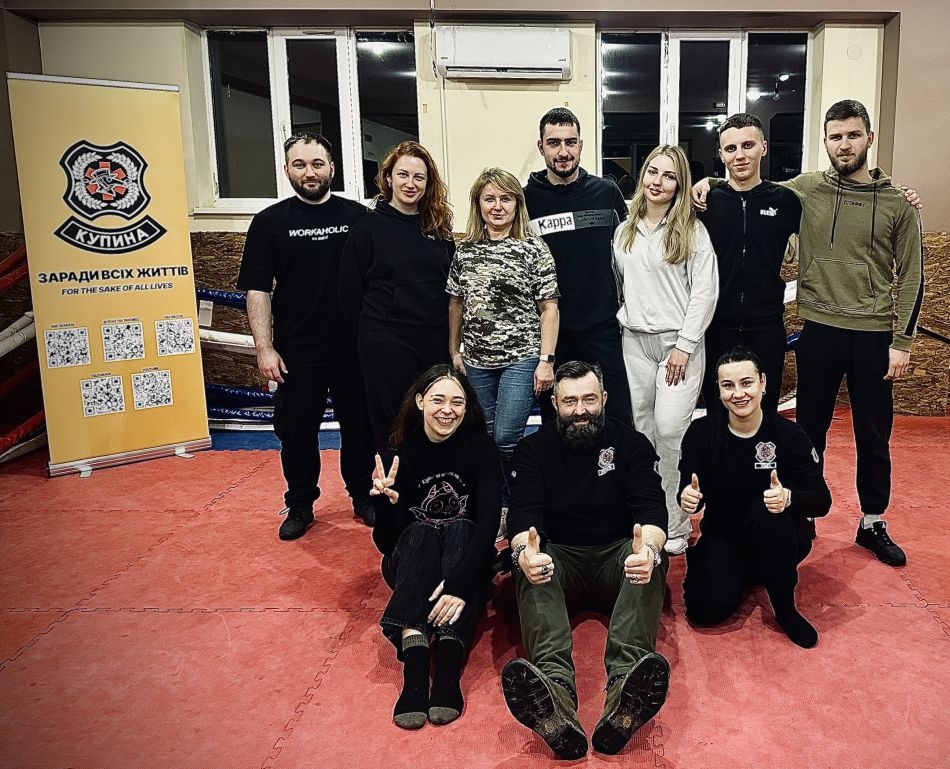
Those nine days were more than a training; they became a space of trust, attentiveness, and shared responsibility. The NGO “Kupyna” and the NGO “Lifelong Learning Centre,” supported by DVV International, created an environment where every participant could learn not only algorithms of emergency assistance but also something far less technical and far more profound: how fragile human life is, and how much one person can do for another in the moment when it matters most.
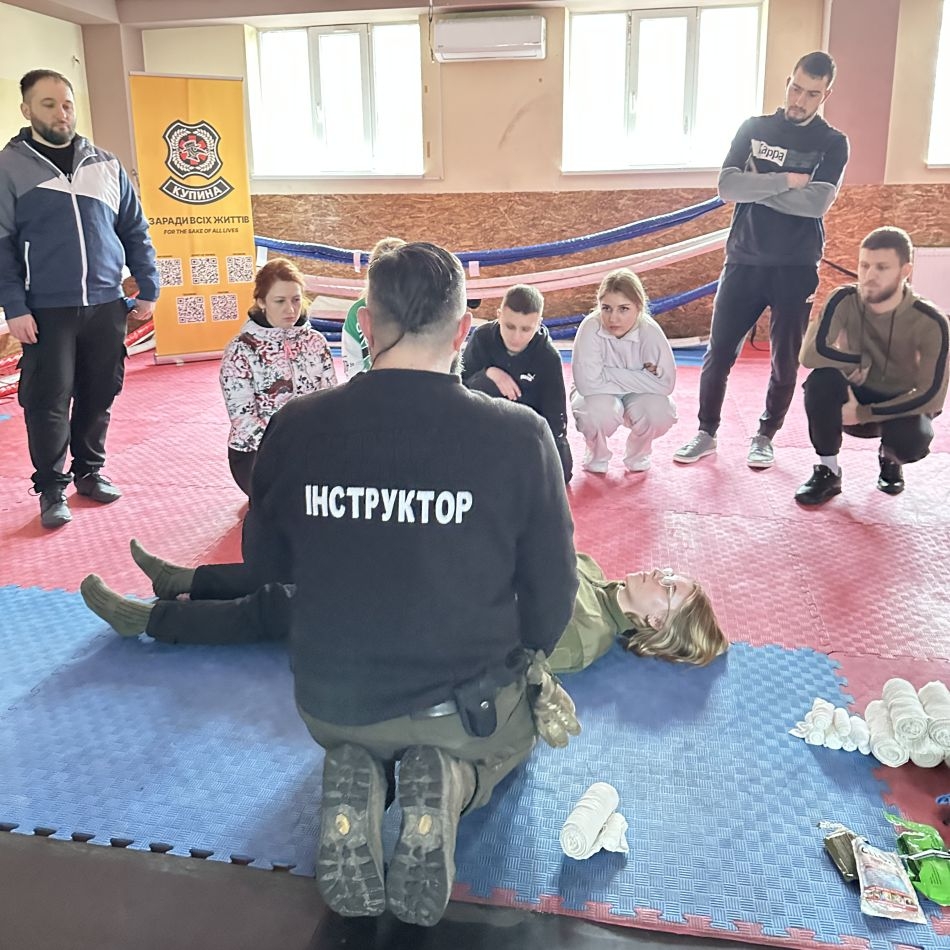
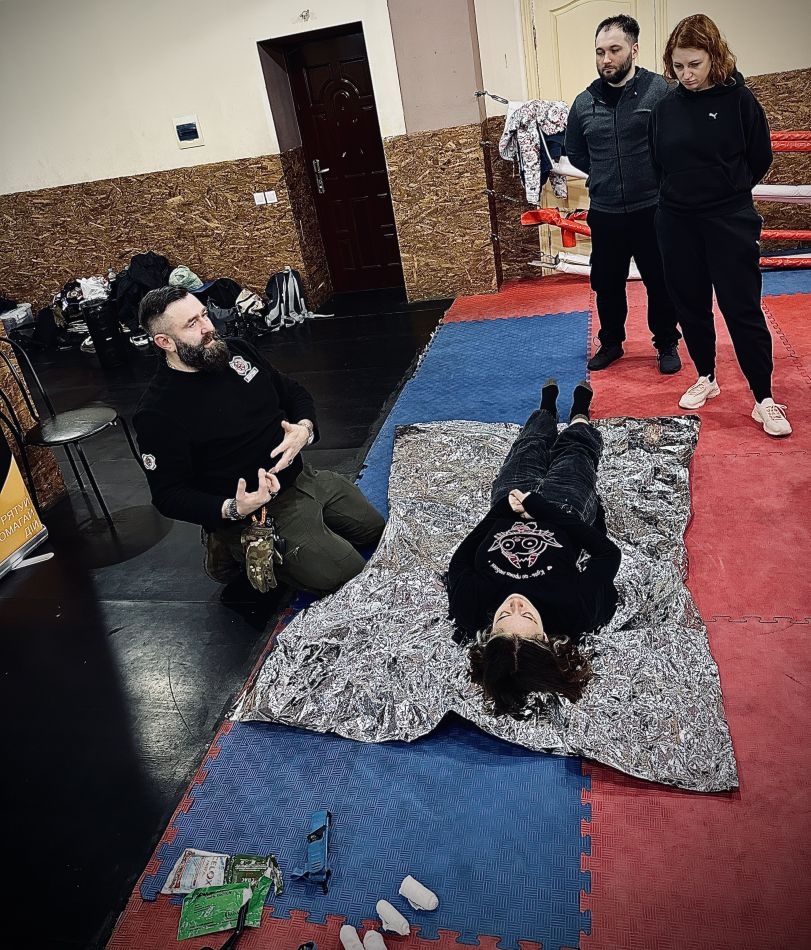
The course began in quiet classrooms, where participants listened intently as instructors explained how to recognize critical conditions, how to notice the details an untrained eye would miss, how not to freeze in the moments when fear has the power to immobilize even the strongest. These were honest conversations — unembellished, undramatic — about what truly matters in the first minutes after an injury.
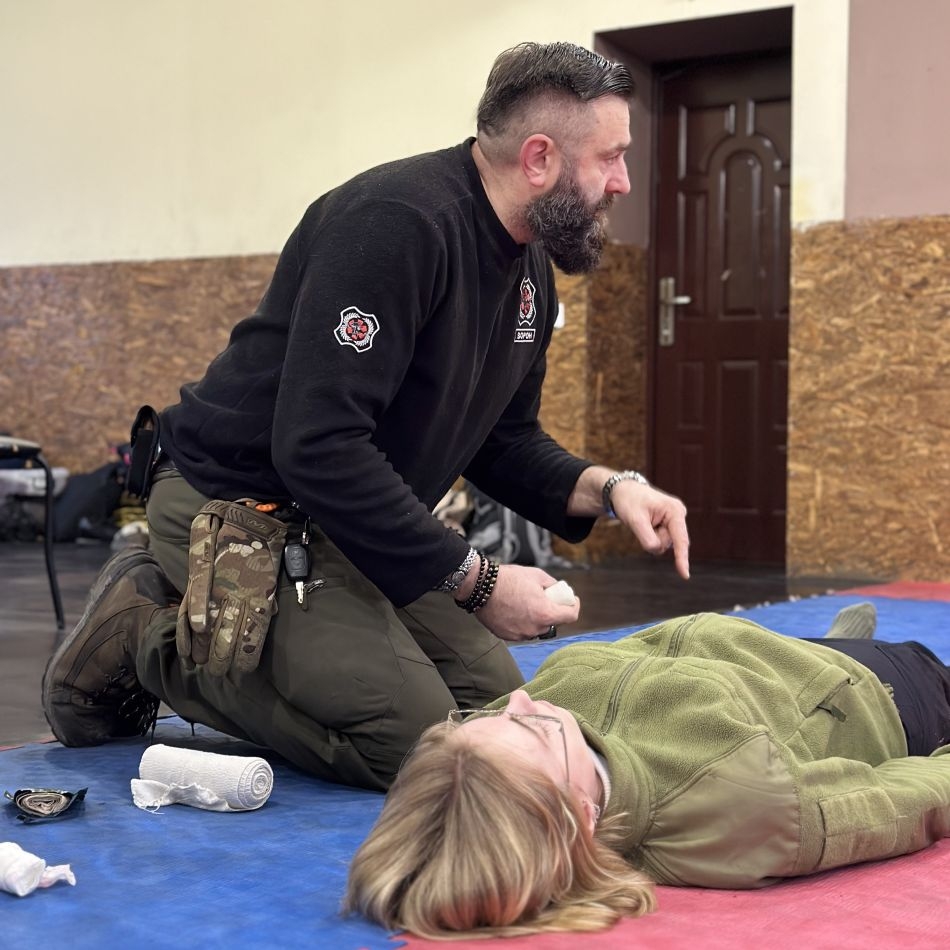
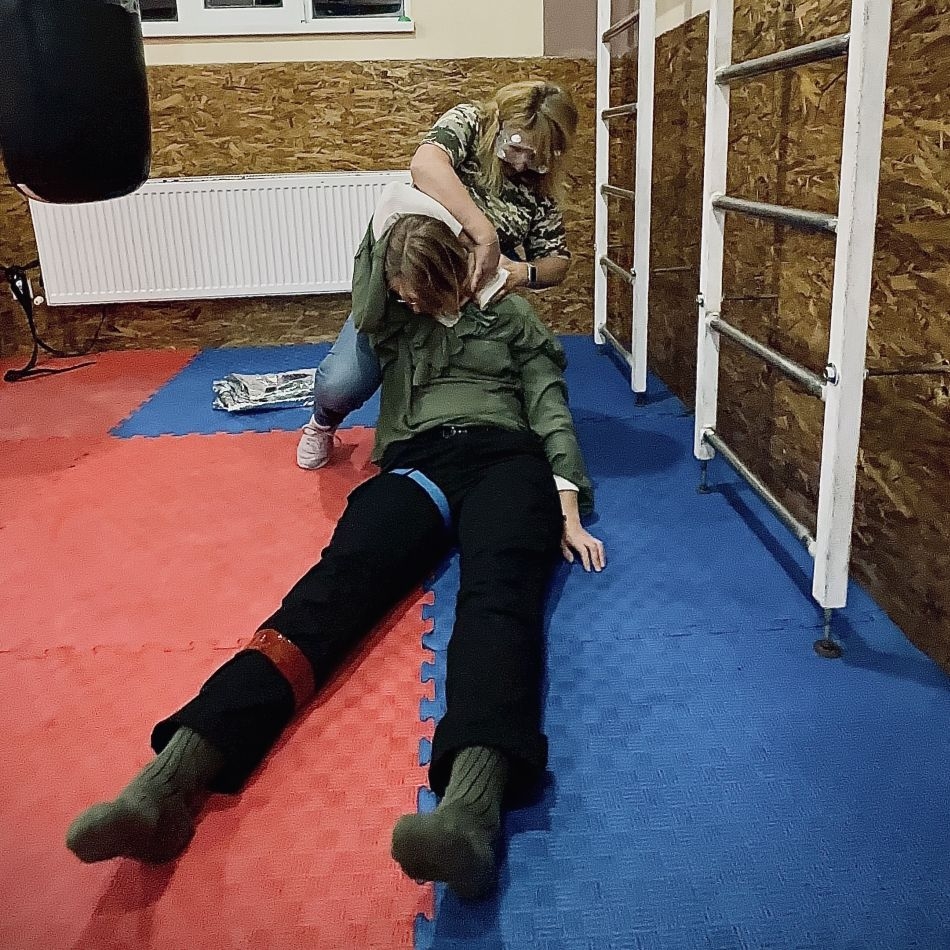
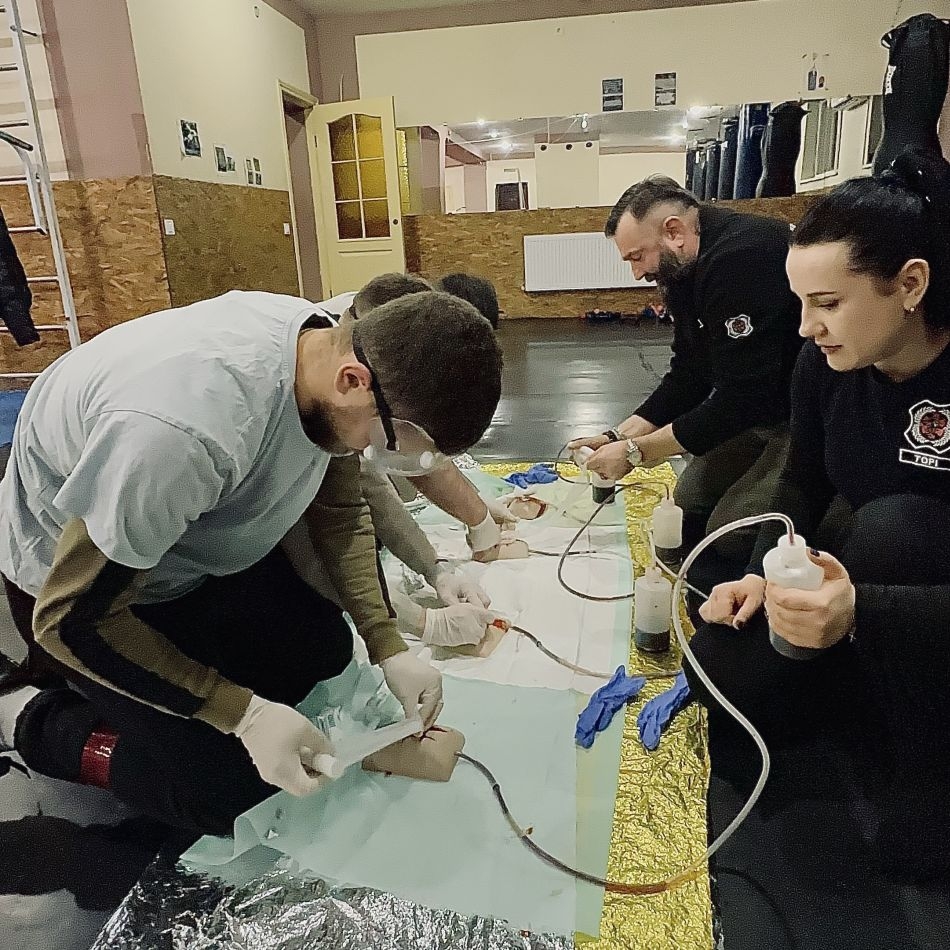
But when theory shifted into movement, the room changed. Instructors demonstrated each gesture, each placement of the hand, each sequence of actions with patience and care. Participants practiced again and again — stopping massive bleeding, packing wounds, applying bandages, positioning an injured person safely — until their hands moved with confidence, almost with memory. In simulation scenarios that mirrored real-life conditions as closely as possible, they learned to navigate stress, to listen to themselves, and to attune to the person whose life might depend on them.
This course was a reminder: none of us is alone. First-aid skills are not about heroism; they are about solidarity. About the simple truth that a life saved is always a shared story — of the instructor who taught, the person who stepped forward instead of stepping back, and the one who, because of this, receives a chance at another morning.
We are grateful to all participants for their courage and openness. Grateful to our partners for believing that communities grow stronger through people who are willing to take responsibility. And grateful to everyone who continues to support one another — even in times when reality itself feels unbearably loud.